The digital alert felt routine, just another ping in a sea of endless notifications.
But the mundane nature of the buzz was quickly shattered by the sound of actual human screaming. Within hours, a headline labeled “Serious Accident” evolved into a deep national wound, exposing the unsettling ease with which real agony is buried beneath the constant churn of our social feeds. As flames rose from a wreckage on a quiet highway, the country was forced to confront a reality it had been scrolling past for years: the desensitization of a society that consumes tragedy as content. The incident began…
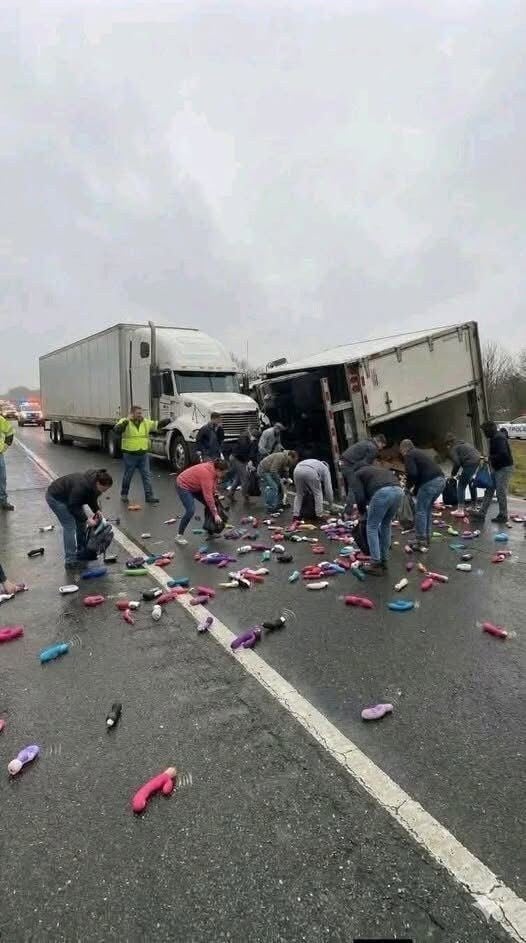
The digital alert felt routine, just another ping in a sea of endless notifications. But the mundane nature of the buzz was quickly shattered by the sound of actual human screaming. Within hours, a headline labeled “Serious Accident” evolved into a deep national wound, exposing the unsettling ease with which real agony is buried beneath the constant churn of our social feeds. As flames rose from a wreckage on a quiet highway, the country was forced to confront a reality it had been scrolling past for years: the desensitization of a society that consumes tragedy as content.
The incident began as many do—a sudden, violent collision that turned a stretch of asphalt into a scene of chaos. Yet, in the modern age, the first responders weren’t just paramedics and police; they were the digital onlookers, the people whose phones buzzed with the initial reports. As the smoke billowed into the air, the collective feed began to refresh. Images of the wreckage were posted, commented upon, and shared before the families of those involved could even be notified. This is the “great confusion” of the digital era: the blurred line between the urgent need for information and the voyeuristic impulse to witness a disaster in real time.