The terrifying speed of a fire-driven disaster is often measured not in hours, but in the panicked heartbeats of those forced to outrun it.
In a catastrophic event that has reshaped the local landscape, a massive fire recently tore through residential neighborhoods with a predatory intensity, leaving at least 300 homes estimated as damaged or entirely destroyed. What began as a localized threat rapidly escalated into a regional crisis as a lethal combination of bone-dry conditions and erratic, high-velocity winds transformed the blaze into an uncontrollable wall of heat. As emergency crews continue to sift through the wreckage, the narrative…
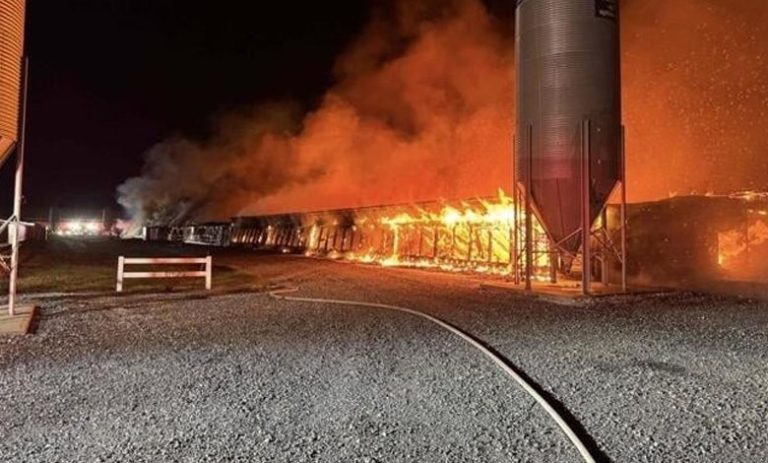
The terrifying speed of a fire-driven disaster is often measured not in hours, but in the panicked heartbeats of those forced to outrun it. In a catastrophic event that has reshaped the local landscape, a massive fire recently tore through residential neighborhoods with a predatory intensity, leaving at least 300 homes estimated as damaged or entirely destroyed. What began as a localized threat rapidly escalated into a regional crisis as a lethal combination of bone-dry conditions and erratic, high-velocity winds transformed the blaze into an uncontrollable wall of heat. As emergency crews continue to sift through the wreckage, the narrative of the night is being reconstructed through the harrowing accounts of those who narrowly escaped a disaster that moved faster than the warnings intended to prevent it.
The anatomy of the disaster was fueled by the physics of extreme weather. Fire officials noted that the blaze benefited from a “perfect storm” of environmental factors. Long periods of drought had turned the surrounding vegetation into highly combustible fuel, and when the ignition occurred, the wind acted as a bellows, pushing the flames across established fire lines with startling ease. In many instances, the fire demonstrated the terrifying phenomenon of “spotting,” where embers are carried by the wind and dropped onto rooftops blocks away, igniting new fires far ahead of the main front. This made traditional containment nearly impossible, as firefighters found themselves surrounded by shifting threats that seemed to leap over streets and barriers with predatory agility.