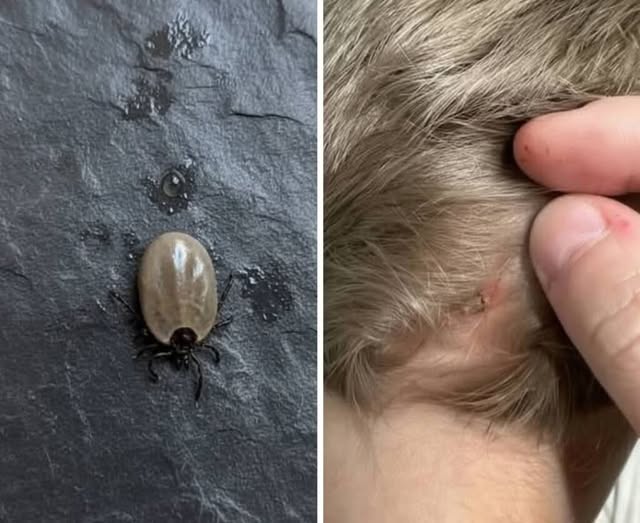
The discovery of an unfamiliar insect nestled in the soft strands of a child’s hair is a moment that seems to bypass the rational mind and
strike directly at a parent’s primal instincts. It often begins in the quietest of settings: during the rhythmic brushing of hair after a warm bath, the careful plaiting of braids before a school day, or a lazy afternoon spent lounging on the sofa. Then, the eye catches a movement—a tiny, dark speck that shouldn’t be there. In that instant, a visceral wave of panic often takes hold. The mind spirals through a frantic checklist…
The discovery of an unfamiliar insect nestled in the soft strands of a child’s hair is a moment that seems to bypass the rational mind and strike directly at a parent’s primal instincts. It often begins in the quietest of settings: during the rhythmic brushing of hair after a warm bath, the careful plaiting of braids before a school day, or a lazy afternoon spent lounging on the sofa. Then, the eye catches a movement—a tiny, dark speck that shouldn’t be there. In that instant, a visceral wave of panic often takes hold. The mind spirals through a frantic checklist of anxieties: Is it a tick? Is it lice? Has the house been compromised?
While the initial impulse may be to reach for the strongest chemicals available or rush to the nearest emergency clinic, the most vital tool a parent possesses in this situation is calm, clinical observation. The human scalp is an intimate landscape, and the presence of an invader feels like a profound violation of safety. However, by transforming that emotional reaction into an organized response, you can move from a state of alarm to one of effective management. Most scalp-related discoveries are not emergencies; they are simply manageable hurdles in the journey of parenting.