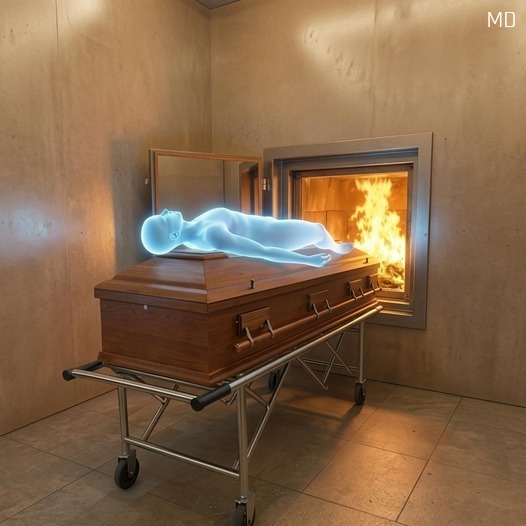
In recent years, cremation has become a more common choice in many Western countries. Factors such as rising burial costs
limited cemetery space, and growing environmental awareness have led many families to consider it a practical and respectful alternative to traditional burial. While this shift reflects changing social preferences, it has also sparked thoughtful discussions…
In recent years, cremation has become a more common choice in many Western countries. Factors such as rising burial costs, limited cemetery space, and growing environmental awareness have led many families to consider it a practical and respectful alternative to traditional burial. While this shift reflects changing social preferences, it has also sparked thoughtful discussions within Christian communities. Many believers want to understand how cremation aligns with their faith, particularly when it comes to long-standing traditions and beliefs about the human body and life after death.
Historically, burial has been the most common practice among Christians. Biblical accounts often describe individuals being laid to rest in the earth, reflecting a deep respect for the body. The burial of Jesus Christ is especially meaningful, symbolizing hope and renewal. Early Christian teachings frequently used the image of a seed planted in the ground to represent the promise of resurrection. Because of this, burial became closely associated with faith in eternal life and was widely embraced for centuries as the preferred method.