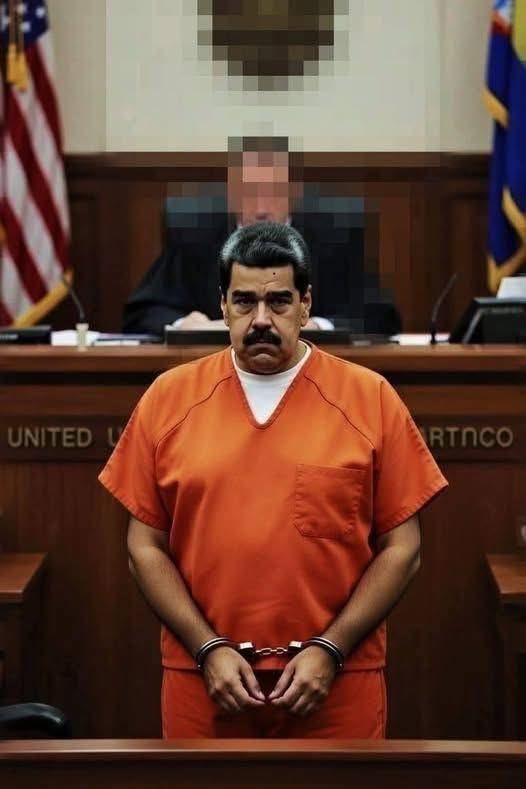
The controversy intensified in the Senate, where lawmakers introduced a War Powers Resolution to limit further unilateral
military actions. Figures like Rand Paul and Tim Kaine argued that removing a foreign leader without congressional approval sets a dangerous precedent. Despite growing support, the resolution ultimately failed in a tied vote, with J.D. Vance casting the deciding vote, highlighting deep divisions within the government.
At the core of the issue is the long-standing tension between executive power and congressional oversight. Supporters of the operation argue that swift action was necessary to address a security threat, while critics warn that such moves bypass constitutional checks and risk expanding presidential authority beyond its intended limits. The debate also reflects broader challenges in adapting existing laws, like the War Powers Resolution, to modern, rapid military operations.
Beyond U.S. politics, the operation has triggered international concern and debate over sovereignty and global norms. Reactions across Latin America and beyond have been mixed, with fears that such actions could set new precedents for cross-border interventions. As legal challenges and political discussions continue, the event stands as a pivotal moment—raising lasting questions about the balance of power, accountability, and the future of U.S. foreign policy.