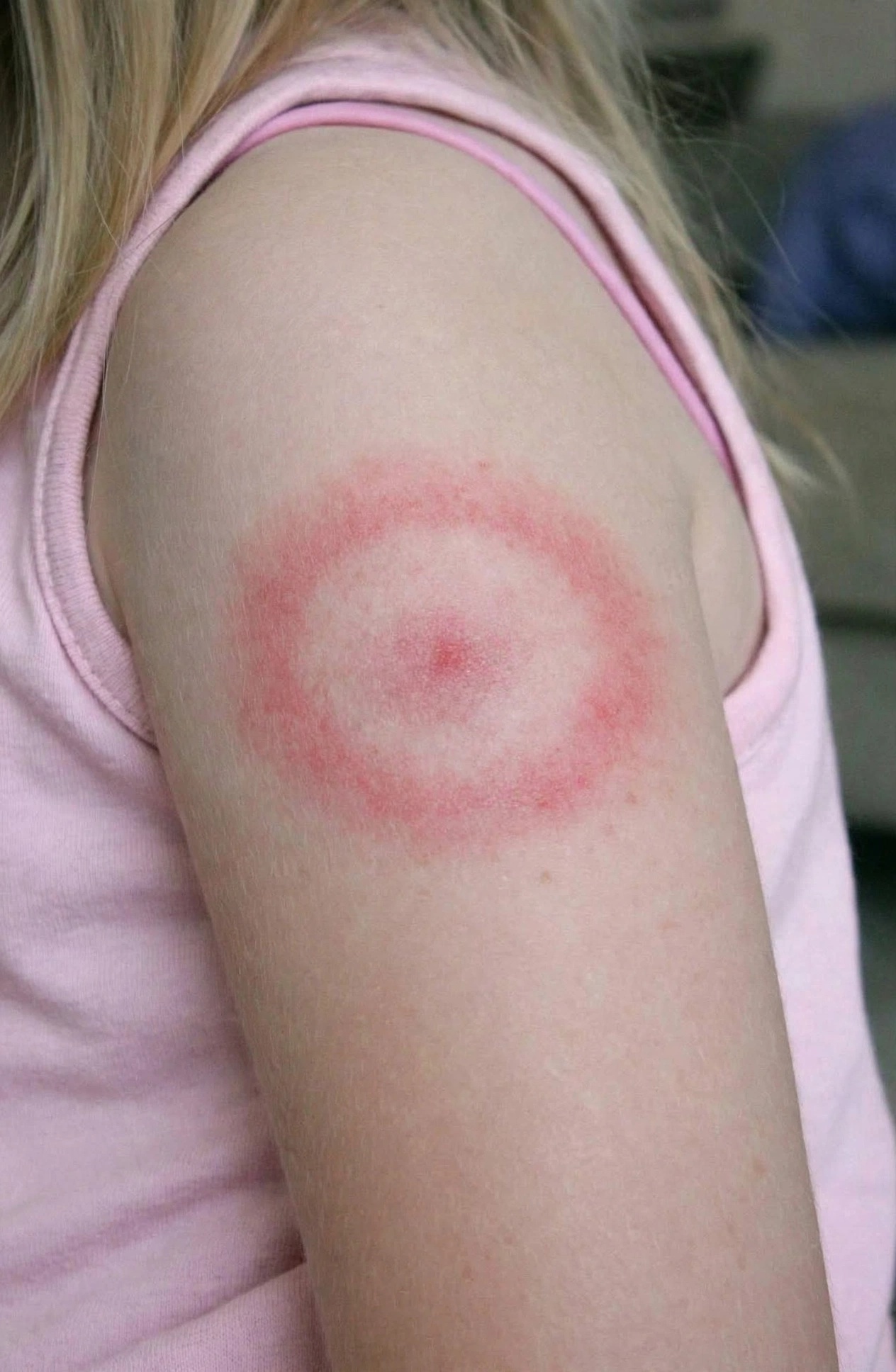
It begins with a quiet, innocent itch—a mild tickle on your arm, scalp, or between your toes that you brush off without a second
thought. You scratch it absentmindedly while going about your day, completely unaware that a sinister biological takeover has already begun. Deep beneath the surface of your epidermis, a microscopic monster is multiplying, feeding on your tissue, and expanding its territory. By the time that distinct, fiery red ring appears on your skin, it is far too late to pretend nothing is wrong. Your body has become a breeding ground for a stubborn, flesh-consuming fungal invader.
To truly understand skin fungus, you must first confront a uncomfortable truth: these organisms are not always foreign invaders storming the castle gates from the outside world. Instead, they are often silent freeloaders that have been coexisting with you all along. Microscopic fungal spores naturally inhabit the outer surface of human skin, lying dormant and waiting for the exact moment your body’s natural defenses falter. They do not require a massive wound or a dramatic exposure event to take root; all they need is a subtle shift in their environment.
That crucial shift is almost always brought on by three simple, everyday factors: warmth, moisture, and friction. When sweat pools in the delicate folds of your skin, or when damp clothing traps heat against your body, it creates a pristine, tropical microclimate. In these dark, humid sanctuaries—whether in the crevices of your elbows, the creases of your groin, under your breasts, or between your toes—dormant fungal spores wake up and begin to feast. They consume keratin, the structural protein that gives your skin, hair, and nails their strength. As they digest this protein, they expand outward in search of more nutrients, creating the classic, expanding circular rash known as ringworm, or tinea.
In other areas of the body, the manifestation of this fungal explosion takes on different, equally distressing forms. In warm skin folds, the yeast species Candida can cause candidiasis, producing bright red, weeping patches that burn intensely with every movement. When fungal spores invade the nail beds, they initiate a slow, insidious degradation process. What starts as a subtle white or yellow speck beneath the tip of a fingernail or toenail gradually transforms into a thick, distorted, crumbling mass of infected tissue. Left unchecked, the nail darkens, separates from the nail bed, and causes persistent, throbbing pain with every step you take.
The ease with which these fungal infections spread is deeply unsettling. Ringworm and its biological siblings are remarkably opportunistic, jumping from host to host through the briefest points of contact. A child playing with an infected family pet can easily pick up fungal spores embedded in the animal’s fur. An athlete brushing past a teammate in a crowded locker room can transfer microscopic organisms in a fraction of a second. Even inanimate objects act as silent accomplices: shared bath towels, hairbrushes, bedsheets, yoga mats, and damp gym equipment can harbor living spores for days or even weeks. Stepping barefoot onto the moist tile of a public shower or pool deck is akin to walking directly into a minefield of fungal microscopic life, where spores readily cling to unprotected feet and begin burrowing into the skin.
Despite the rapid escalation of a fungal infection, the turning point in reclaiming your body is rarely a grand, dramatic medical event. Instead, it begins with a conscious decision to stop ignoring the early warning signs. The moment you acknowledge that persistent itch or that unusual red patch is the moment you interrupt the parasite’s life cycle. Modern medicine offers powerful tools designed specifically to dismantle fungal cell membranes, halting their ability to reproduce and giving your immune system the upper hand.