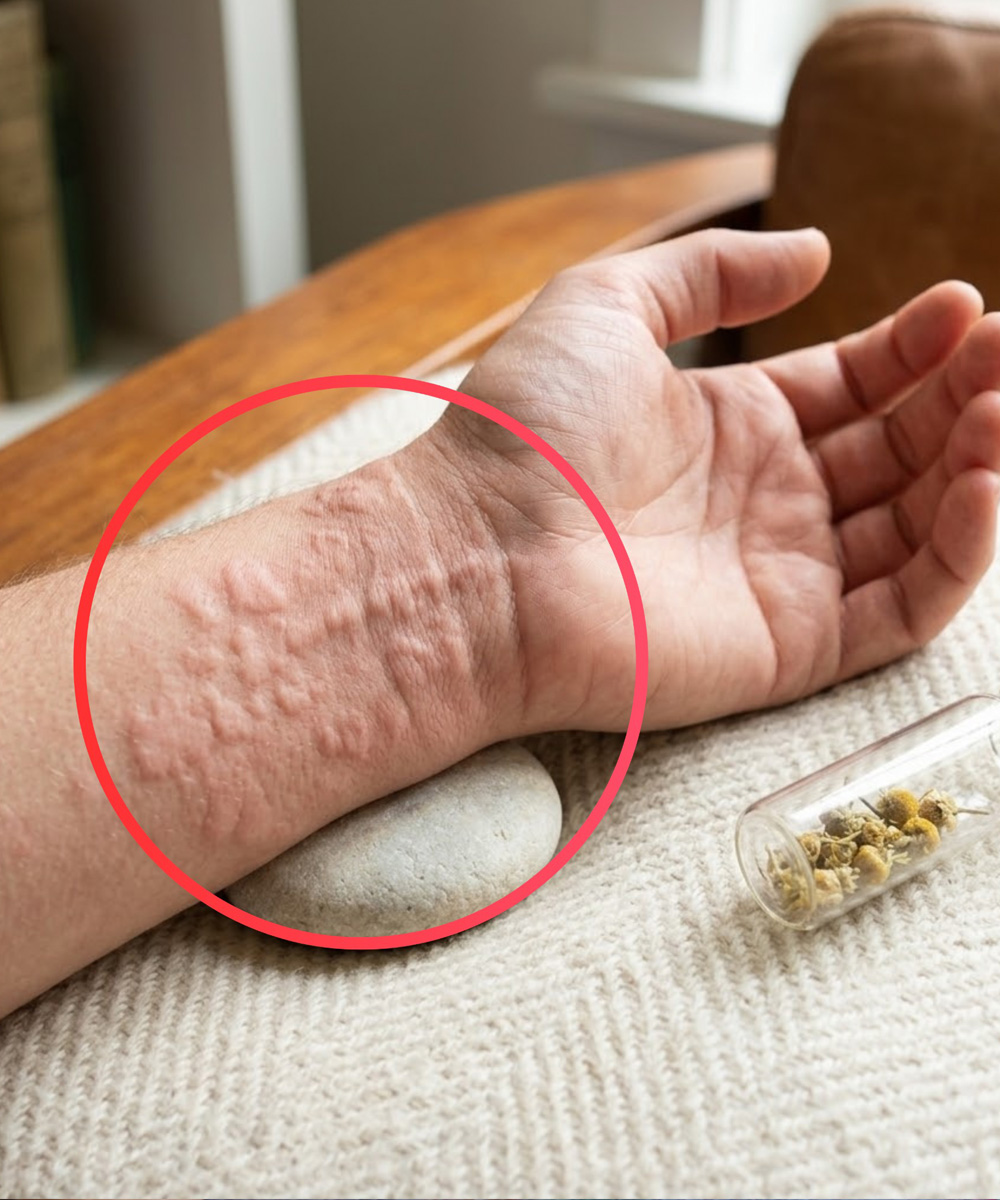
Most rashes are harmless and pass without much attention—but there are moments when the body is signaling something far
more serious. The difference often isn’t the rash itself, but what comes with it. When skin symptoms appear alongside breathing problems, the situation should be treated with urgency, not assumption.
Hives, also known as urticaria, are one of the most common skin reactions. They show up as raised, red, itchy patches that can spread quickly across the body. On their own, they’re usually mild and temporary. But when hives are paired with difficulty breathing, they can be part of a much more dangerous condition: Anaphylaxis.
Anaphylaxis is a rapid, whole-body allergic reaction that can escalate within minutes. It affects multiple systems—skin, lungs, heart—and without prompt treatment, it can become life-threatening. What makes it especially concerning is how quickly it can progress, sometimes starting with what looks like a simple rash.
The most important thing to watch is breathing. If someone develops hives and also shows any signs of respiratory distress, it should be treated as an emergency. These warning signs include shortness of breath, a tight or closing sensation in the throat or chest, swelling of the face, lips, or tongue, and a racing or irregular heartbeat. Dizziness, confusion, or fainting are also serious indicators that the body is struggling to maintain normal function.
Triggers for these reactions vary widely. Common causes include foods like peanuts or shellfish, certain medications, insect stings, latex, or environmental allergens. However, not every case has a clear cause. Some people experience severe reactions without any known allergy history, which makes awareness even more important.
Timing is critical. What begins as mild discomfort can escalate into airway blockage or shock if ignored. Waiting to “see if it gets better” can be dangerous in these situations. Acting quickly can make the difference between a manageable emergency and a life-threatening event.
If someone is experiencing both hives and breathing difficulties, immediate action is essential. Emergency services should be contacted right away. If the person has been prescribed an epinephrine auto-injector, it should be used without hesitation. Staying with the individual, keeping them calm, and monitoring their condition until help arrives is equally important.
It’s easy to underestimate a rash, especially when it’s something many people have experienced before. But when it appears alongside breathing issues, it should never be dismissed. The body is signaling distress, and recognizing that signal early can prevent serious consequences.
Sometimes, the safest response is also the simplest: take it seriously, and act fast.