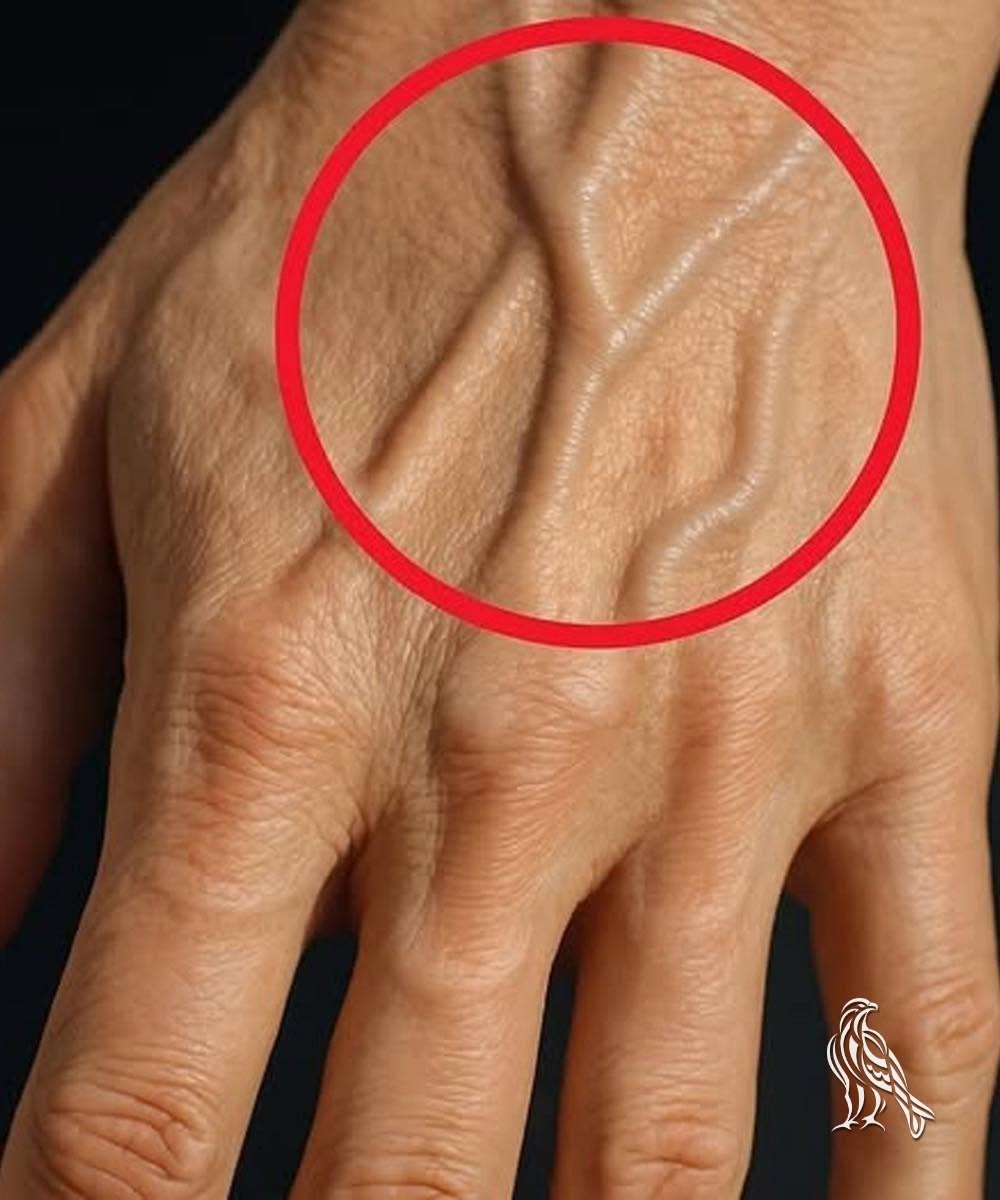
Many people become concerned when they notice the veins on their hands becoming more visible, raised, or bluish.
Because changes in the body can sometimes signal underlying health issues, it’s understandable to wonder whether prominent hand veins could indicate kidney disease.
While various claims circulate online, medical evidence tells a different story. In most cases, visible hand veins are completely normal and are not considered a warning sign of kidney problems…
Visible veins often become more noticeable for simple reasons. As people age, the skin naturally becomes thinner and loses collagen, making the blood vessels beneath the surface easier to see. Individuals with lower body fat percentages may also have more prominent veins because there is less tissue covering them. Genetics, regular exercise, warm temperatures, and temporary dehydration can all contribute to veins appearing larger or more visible.
For many healthy individuals, prominent veins are simply a normal variation in appearance.
Kidney disease, however, affects the body in very different ways. The kidneys are responsible for filtering waste products from the blood, regulating fluid levels, controlling blood pressure, and maintaining proper electrolyte balance. When kidney function declines, symptoms typically develop gradually and often involve changes that affect the entire body.
Common signs of kidney disease may include persistent fatigue, swelling in the hands, feet, ankles, or face, changes in urination habits, foamy urine caused by excess protein, high blood pressure, nausea, and reduced appetite. Notably, visible veins are not considered a typical symptom.
One reason for the confusion may involve the kidneys’ role in managing fluid balance. When the kidneys are not functioning properly, the body often retains excess fluid. This usually causes swelling and puffiness rather than making veins more visible. In fact, swelling can sometimes make veins harder to see.
Dehydration presents the opposite situation. When the body loses fluid, blood volume temporarily decreases, causing veins to appear more prominent. Although severe dehydration can place stress on the kidneys, visible veins caused by dehydration do not automatically indicate kidney disease.
There are a few situations where kidney conditions and visible veins may be connected, but these are typically related to treatment rather than the disease itself. For example, individuals with advanced kidney failure who require dialysis often undergo a procedure called an arteriovenous fistula. This surgical connection between an artery and a vein enlarges the vein, making it more visible and easier to access during dialysis treatments. These enlarged veins are a result of medical treatment, not a symptom of kidney disease.
Rather than focusing on the appearance of veins, it is more important to watch for symptoms that genuinely warrant medical attention. Persistent swelling, unusual changes in urination, foamy urine, chronic tiredness, high blood pressure, shortness of breath, unexplained nausea, or loss of appetite should be discussed with a healthcare provider.
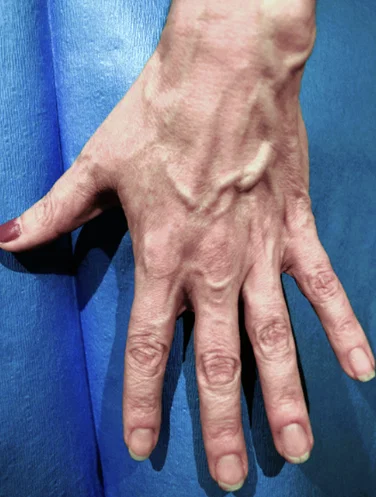
Visible veins accompanied by pain, sudden swelling, discoloration, or circulation problems may also deserve medical evaluation, although these concerns are more likely related to vascular conditions than kidney disease.
Ultimately, prominent veins on the hands are usually caused by normal factors such as aging, body composition, exercise, hydration levels, or genetics. They are not considered a reliable indicator of kidney health.
The most accurate way to assess kidney function is through proper medical testing. Blood tests that measure creatinine and estimated glomerular filtration rate (eGFR), urine analysis, blood pressure monitoring, and professional medical evaluation provide meaningful information about kidney health.
While your hands can reveal clues about circulation, hydration, and aging, they cannot reliably diagnose kidney disease. If you have concerns about your kidney function, consulting a healthcare professional and obtaining appropriate laboratory testing remains the best approach.
Paying attention to proven warning signs and seeking medical advice when necessary is far more valuable than relying on visible veins alone as an indicator of kidney health.