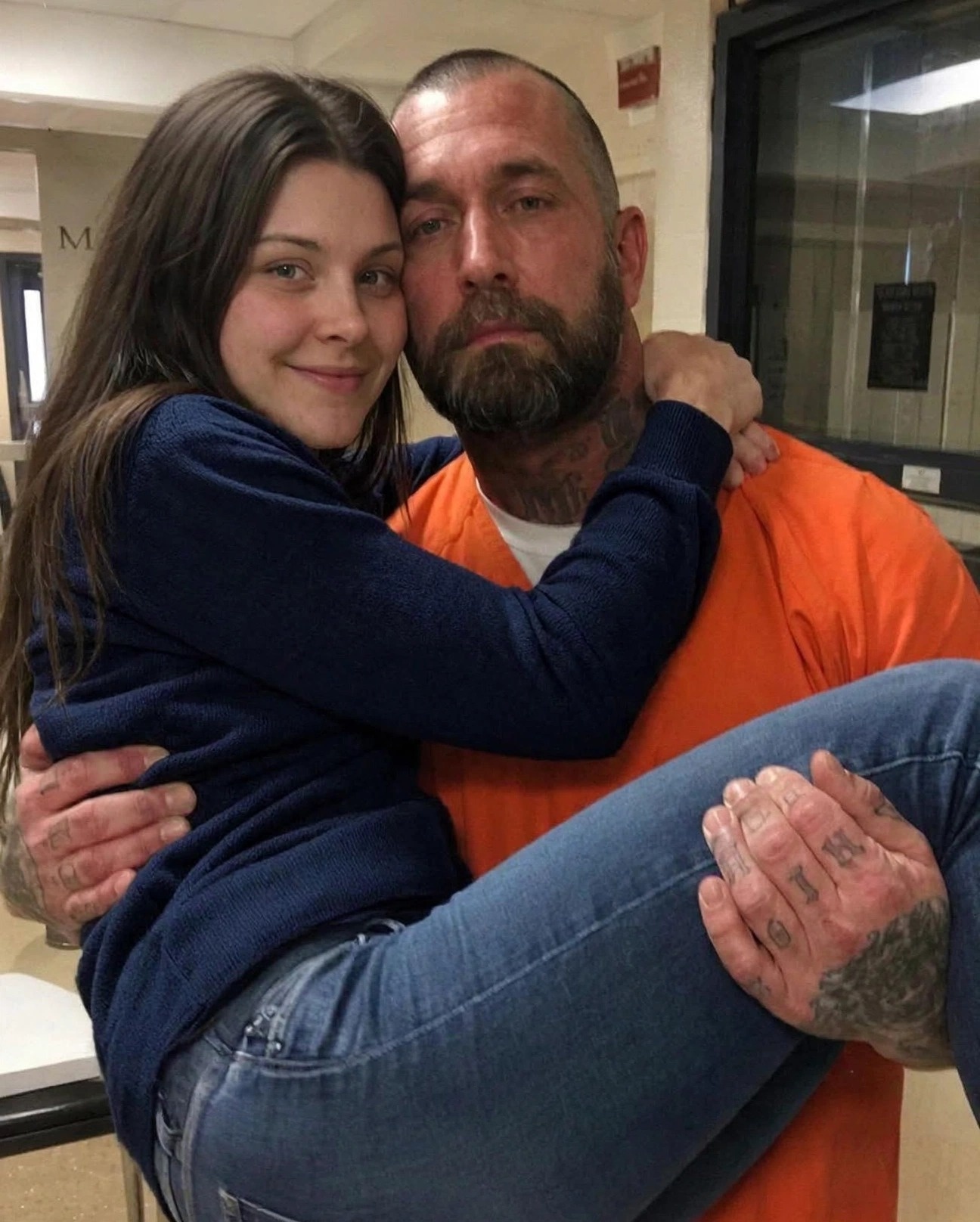
I didn’t marry Jonah for love, and I wasn’t going to pretend otherwise. I was twenty-seven, drowning in past-due bills, and my seventeen-year-old brother, Owen, was wearing shoes with holes worn through the soles. When a high-powered lawyer approached me with a proposal to marry a man serving a twelve-year prison sentence, I saw it for exactly what it was: a predatory transaction. They needed a wife to provide the “roots” necessary for a successful appeal; I needed the $2,000 monthly check just to keep a roof over our heads. I was the perfect, desperate target, but they made one fatal mistake—they underestimated exactly how hard a woman with nothing left to lose will fight.
The wedding took place through a wall of scratched, reinforced glass. Jonah didn’t look like the hardened criminal his family painted him to be; he looked exhausted, hollowed out by a systemic betrayal. He claimed he had been framed by his own cousin, Dean, who had forged his signature to hide a massive heist from the family foundation. While his mother, Celeste, sent me checks to keep my mouth shut and my letters brief, Jonah actually started reading my rants about life, my struggle to support Owen, and the daily humiliations of being poor. He didn’t just read them; he responded with detailed, thoughtful doodles and insights that made me feel, for the first time in my life, that someone was actually listening.
Our life together—if you could call a series of letters and prison visits a life—became a strange, distant intimacy. But it was the financial desperation that eventually pushed me to look deeper. When you are constantly short on cash, you become a master of the calendar; you know exactly when every cent is owed and every deadline looms. I began digging through the files Celeste had sent over, and I found a discrepancy that made my blood run cold. There was a hard, verifiable inconsistency in the paperwork: Jonah had been processed into the state system days before the date Dean claimed Jonah had signed a major wire transfer.
For three grueling years, Owen and I lived in a state of controlled chaos. Our apartment walls were covered in taped-up timelines, bank statements, and legal notes. I worked double shifts as a waitress, returning home to spend my nights screaming into the void of legal bureaucracy, fighting for every inch of truth. It wasn’t just about clearing Jonah’s name anymore; it was about reclaiming the agency they had tried to buy from me.
When Jonah finally walked out of that prison, he came straight to my cramped apartment. On his eighth night of freedom, he handed me a black box. I expected money, or perhaps an apology, but what I found was far more damning. Inside was a private notebook belonging to his mother, Celeste. As I leafed through the pages, my hands began to shake. She hadn’t just managed the foundation; she had managed me. She had documented my life as if I were a science experiment: my lack of parents, my struggling brother, and my total financial insolvency. She had identified my need as a lever, calculating that a woman in my position would be so grateful for the crumbs of her wealth that I would willingly sign away my rights the moment Jonah was free.
The notebook also contained a copy of the family trust. A final provision, tucked away by Jonah’s late father, stipulated that if Jonah ever married and successfully appealed his case, his wife would be appointed as an automatic co-trustee with absolute authority over the estate. Celeste’s entire plan had been to use me as a temporary placeholder, someone who would be so exhausted by poverty that I would happily resign my position the second the legal battle was won. Jonah had known about this for six months but hadn’t had the courage to tell me.