A familiar household routine. A woman finishing an ordinary task. A quiet moment at home that should have been followed by the rest of an ordinary day.
Then, according to a disturbing online account, something went terribly wrong—and an ambulance or emergency vehicle arrived as relatives and neighbors struggled to understand what had happened.
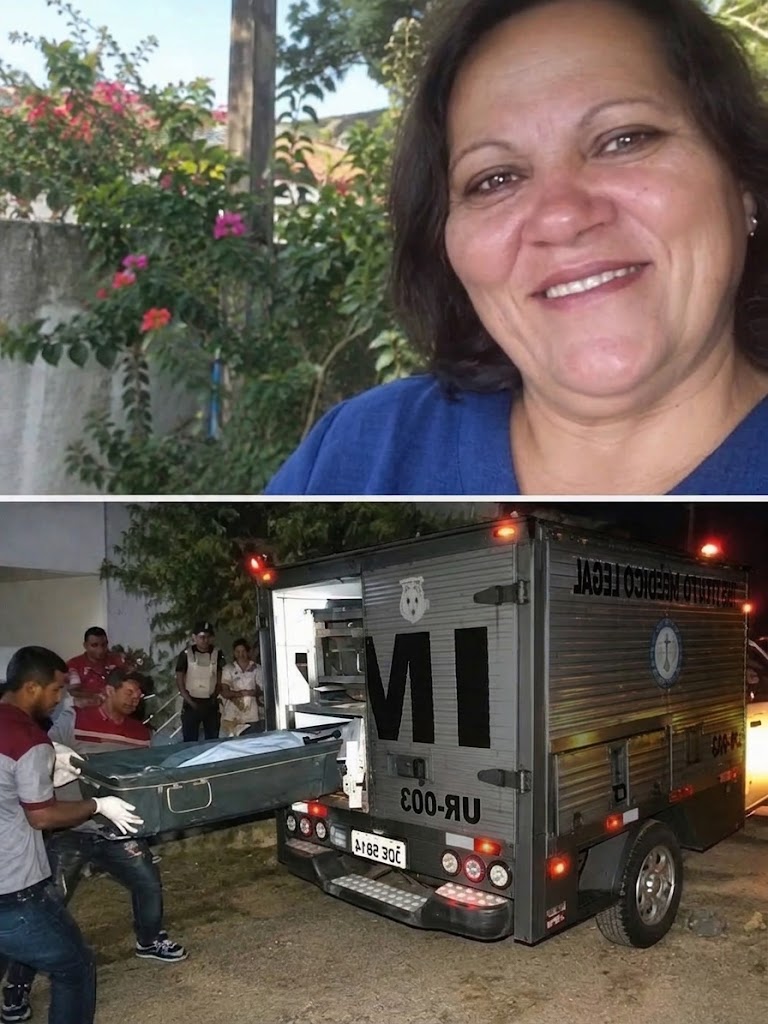
The photographs accompanying the story make the account even more emotional. One shows a smiling middle-aged woman surrounded by greenery. Another appears to show emergency personnel moving a covered stretcher toward a vehicle. Together, they create a powerful impression of a sudden family tragedy.
But an important question must be asked before drawing conclusions: what actually caused the woman’s death?
The headline circulating with the images suggests that she died after washing, while the accompanying article mentions possible factors such as the products she used, water temperature, and pre-existing medical conditions. Yet the supplied material does not identify the woman, provide a confirmed location, name the product involved, or present medical or investigative findings establishing a cause of death.
That distinction matters. A death occurring after an everyday activity does not automatically mean that the activity caused it. A photograph of an emergency vehicle cannot establish a medical diagnosis, and a dramatic social-media caption cannot replace an official investigation.
The story deserves to be approached with compassion—but also with care. The most useful response is to examine what the account actually says, understand the possible health and household-safety questions it raises, and recognize what remains unknown.
The Two Photographs: A Portrait and an Emergency Response
The first photograph shows a smiling woman. She appears relaxed, with dark hair and a floral top, standing outdoors in a garden. It is a personal-looking image rather than a formal portrait, and it gives viewers a glimpse of someone who, in that moment, was simply enjoying an ordinary day.
The second photograph is very different. It appears to show several people handling a stretcher or covered transport container beside a vehicle marked for medical or emergency use. People are gathered nearby, and the scene suggests that an emergency response or removal of a body may be taking place.
Placed together, the images create a strong emotional contrast: a familiar human face above, an apparently serious emergency below.
However, the photographs do not independently establish that the woman pictured is the person described in the article, that the lower image records the same incident, or that washing caused her death. The image of an emergency vehicle is not a medical report. It cannot identify a substance, establish a diagnosis, or explain what happened inside the home.
That is why the written account must be examined separately from the photographs.
The online article describes a woman who reportedly died after washing and says investigators were considering several possibilities. It refers to products, water temperature, and pre-existing medical conditions, while also stating that toxicology and autopsy results were still awaited.
Those details suggest that the account itself does not provide a final explanation.
A toxicology examination may help determine whether certain substances were present in the body. An autopsy can help identify injuries, disease, and other physical findings. Investigators may also examine the scene, interview witnesses, and review medical history. Depending on the circumstances, these steps can take time.
Until reliable findings are available, it would be irresponsible to say that a particular soap, detergent, shampoo, bath product, or temperature caused the death.
The distinction is not a minor technicality. It is the difference between reporting an unresolved tragedy and spreading a medical claim that may frighten people without evidence.
Why the Word “After” Does Not Automatically Mean “Because Of”
One of the most important details in the headline is the word “after.”
A person may become ill after taking a shower, washing clothes, preparing a meal, exercising, or eating dinner. The timing may be important to investigators, but timing alone does not prove causation.
Imagine that someone experiences chest pain shortly after taking a bath. The bath may have coincided with the beginning of a heart-related emergency. It may have contributed to discomfort in some way. Or the event may have been unrelated to the bathing itself.
Without medical evidence, it is impossible to determine which explanation is correct.
The same principle applies to a person who collapses after doing laundry or using household cleaning products.
A sequence of events can be established through witness accounts, medical records, and other evidence. Establishing the cause requires a deeper investigation.
This is why medical professionals distinguish between an event that happens before another event and an event that directly causes it.
A headline can easily blur that distinction. Readers may see the words “died after washing” and assume that washing was responsible. But the article’s own wording says that investigators were still examining the circumstances.
The safest interpretation is therefore that the death was reportedly discovered or occurred after a household activity, while the precise cause remained undetermined in the supplied account.
That does not make the family’s loss any less serious. It simply prevents an unconfirmed explanation from becoming a supposed medical fact.
What Could “Washing” Mean in This Story?
The word “washing” can describe several different activities.
It might mean taking a shower or bathing. It might refer to washing clothes by hand, using a washing machine, or handling laundry products. It could also mean cleaning a bathroom, floor, kitchen, or other household area.
Those activities involve different conditions and potential risks.
A bath or shower involves water temperature, standing or sitting in a wet area, and sometimes exposure to heat or steam.
Laundry involves detergents, fabric softeners, washing machines, and possibly bleach or stain removers.
Household cleaning may involve sprays, disinfectants, concentrated chemicals, and ventilation.
The supplied account does not clearly establish which activity the woman was performing. It would therefore be misleading to write as if a particular activity or product had been confirmed.
Nevertheless, each interpretation raises practical safety questions that are worth understanding.
The following sections explain those risks as general household-health information. They are not explanations of this woman’s death, and they should not be interpreted as evidence that any of them occurred in her case.
If the Activity Involved a Bath or Shower: How Heat Can Affect the Body
Warm showers and baths are part of everyday life for millions of people. For most healthy individuals, ordinary bathing is safe.
However, very hot water can affect the body’s circulation.
When the skin is exposed to heat, blood vessels near the surface widen. This process, called vasodilation, allows more blood to flow near the skin and helps the body release heat.
In some circumstances, the change in circulation can contribute to a fall in blood pressure, particularly when someone stands up quickly after sitting or lying in warm water.
A person who is already dehydrated, unwell, taking certain medications, or prone to low blood pressure may be more vulnerable to dizziness.
This does not mean that a normal shower is dangerous. It means that people who experience lightheadedness should pay attention to the circumstances and avoid ignoring repeated symptoms.
Why Some People Feel Dizzy After a Hot Shower
Several factors can contribute to dizziness around bathing.
Heat exposure: Very warm water can widen blood vessels and make some people feel faint, particularly if they are already prone to low blood pressure.
Dehydration: Someone who has not had enough fluids may be more susceptible to lightheadedness.
Standing up quickly: Moving suddenly from a seated or lying position can cause a temporary drop in blood pressure.
Illness: Fever, infection, vomiting, or other conditions may affect hydration and circulation.
Medication: Some medicines, including certain blood-pressure drugs, can influence how the body responds to changes in posture or temperature.
The National Health Service explains that fainting can have several causes, including being too hot, not eating or drinking enough, standing up too quickly, and heart problems. It also advises medical assessment after a fainting episode.
NHS
A person who becomes dizzy in the shower should not try to push through the sensation.
If it is safe, they should sit or lie down to reduce the risk of falling. They should avoid standing suddenly and should seek help if symptoms do not settle or if more serious warning signs appear.
A shower should never become a test of endurance.
Why Falls in Bathrooms Can Be Serious
Bathrooms contain several features that can make a fall dangerous.
Hard floors, tiled surfaces, glass screens, taps, and narrow spaces can all increase the chance of injury.
A person who becomes faint may lose balance before they have time to reach a stable support. Even a relatively short fall can cause a head injury, fracture, or serious cut.
Older adults may face additional risks because balance, muscle strength, vision, and reaction time can change with age. Certain medications and chronic health conditions can increase the risk further.
Practical measures can reduce the chance of injury:
Use a non-slip bath or shower mat designed for wet surfaces.
Install secure grab bars where appropriate.
Keep frequently used toiletries within easy reach.
Avoid rushing when entering or leaving the shower.
Use comfortably warm rather than excessively hot water.
Keep the bathroom floor as dry as possible.
Sit down if standing becomes difficult.
People who have previously fainted or fallen in the bathroom should discuss the problem with a healthcare professional.
The aim is not to make ordinary bathing frightening. It is to make a familiar activity safer, especially for people with conditions that affect circulation or balance.
If the Activity Involved Laundry: Understanding the Risks of Household Products
Washing clothes is usually a straightforward task. Detergent is added, water moves through the machine or basin, and garments are cleaned.
But laundry products can contain substances that irritate the skin, eyes, or respiratory system when used incorrectly.
Most household detergents and fabric-care products are designed to be used according to their labels. Problems can arise when people use excessive quantities, combine incompatible products, transfer chemicals into unmarked containers, or allow concentrated substances to contact the skin.
Some laundry products are more concentrated than they appear.
Liquid detergents, stain removers, bleach products, and specialty cleaners should be handled according to their instructions.
A product that is safe when used correctly is not necessarily safe if swallowed, inhaled in concentrated form, mixed with another chemical, or applied directly to the body.
Why Mixing Cleaning Products Is Dangerous
One of the most important household-safety rules is simple: never mix cleaning products unless the manufacturer’s instructions explicitly say that the combination is safe.
In particular, bleach should never be mixed with ammonia or acidic cleaners.
The combination can release dangerous gases that irritate or injure the eyes and respiratory system. Exposure can cause coughing, breathing difficulty, chest discomfort, and other serious symptoms.
The Centers for Disease Control and Prevention advises people not to mix bleach or other disinfectants with other cleaners and recommends good ventilation when using bleach indoors.
This warning matters because many homes contain several cleaning products.
A person might use bleach on one surface and then apply a different cleaner without realizing that chemical residues remain. Another person might mix products in an attempt to make them more powerful.
That is not a safe approach.
Cleaning products are formulated for particular uses. Combining them can create reactions that are difficult to predict.
The safest practice is to use one product at a time, follow its label, rinse surfaces when instructed, and allow appropriate ventilation.
Symptoms That May Suggest Chemical Exposure
The symptoms of exposure depend on the chemical, the amount, and the route of exposure.
Possible warning signs include:
Burning or watering eyes.
Irritation of the nose or throat.
Persistent coughing.
Wheezing or shortness of breath.
Chest discomfort.
Nausea or vomiting.
Skin redness, pain, or blistering.
Dizziness or confusion.
Not every symptom means that a person has suffered poisoning, and different conditions can produce similar symptoms.
However, breathing difficulty, severe chest pain, confusion, collapse, or significant chemical exposure should be treated as an emergency.
If a person develops symptoms while using cleaning products, they should stop the activity and move away from the exposure if they can do so safely. If fumes are present indoors, leaving the affected area for fresh air is generally important.
Do not re-enter a contaminated space to retrieve belongings or investigate the source.
Seek urgent medical or poison-control advice, following the emergency guidance available in the person’s country.
The CDC’s chemical-safety information emphasizes leaving the affected area, getting fresh air, and seeking appropriate help after exposure to hazardous ammonia.
Again, these are general precautions. There is no verified evidence in the supplied story that chemical exposure occurred.
What Investigators May Examine After an Unexpected Death at Home
When someone dies unexpectedly at home, investigators may need to examine several different sources of information before determining what happened.
The process is not always quick. A family may want an immediate answer, but a reliable medical conclusion requires evidence.
The exact procedures depend on the country, the circumstances of the death, and whether the death was expected or unexplained.
The Scene and the Timeline
Investigators may begin by establishing a timeline.
They may ask:
When was the person last seen well?
What were they doing before becoming unwell?
Who was present?
When were emergency services contacted?
Were any symptoms noticed beforehand?
Were medicines, cleaning products, or other substances being used?
Did anyone witness a collapse or other sudden event?
The timeline can help investigators understand what happened before emergency services arrived.
It does not automatically establish a cause, but it can identify important details that need further examination.
The location may also be assessed. Investigators may document the condition of the bathroom, laundry area, or other place where the person was reportedly carrying out the activity.
If a chemical product is relevant, its container, label, ingredients, and condition may be examined.
However, finding a product near a person does not prove that it caused their death. The product must be connected to the event through reliable evidence.
Medical History
A person’s medical history can be an important part of an investigation.
Conditions affecting the heart, circulation, lungs, brain, or metabolism may influence how the body responds to stress, heat, dehydration, or illness.
Some people also take medication that affects blood pressure, heart rhythm, alertness, or balance.
Investigators and medical professionals may review relevant records to understand whether an existing condition could have contributed to the event.
This does not mean that a pre-existing condition automatically explains an unexpected death.
A person may have a known medical condition and die from an unrelated cause. Conversely, someone who appeared healthy may have an undiagnosed condition.
The purpose of reviewing medical history is to consider evidence, not to make assumptions based on age or appearance.
The Role of an Autopsy
An autopsy is a medical examination of a body performed to help establish the cause and circumstances of death.
Depending on the case, it may involve examining organs, collecting samples, reviewing injuries, and assessing signs of disease.
An autopsy may identify a natural disease process, evidence of injury, or findings that require further testing.
In some cases, the initial examination does not provide a complete answer.
Additional laboratory analysis may be required before a final conclusion can be reached.
Why Toxicology Testing Can Take Time
Toxicology testing examines biological samples for substances such as medications, alcohol, drugs, or certain chemicals.
The exact tests depend on the circumstances.
A toxicology result must be interpreted carefully. Detecting a substance does not automatically prove that it caused death.
The amount, timing, route of exposure, and relationship to other medical findings all matter.
Some substances may be present because they were prescribed or used appropriately. Others may be detected at levels that do not explain the event.
A medical examiner or forensic pathologist must interpret the results in context.
This is why an early report may state that toxicology testing is pending without offering a definitive explanation.
The supplied online account says that toxicology and autopsy results were still awaited. If that description is accurate, it means the article itself does not provide a final medical conclusion.
Could a Pre-Existing Medical Condition Be Involved?
The article mentions the possibility that the woman may have had an underlying health condition.
That is one of several possibilities investigators might consider in an unexplained death, but the supplied material does not identify a specific condition.
It is important not to invent a diagnosis.
Still, understanding some common medical emergencies can help readers recognize symptoms that should never be ignored.
Heart-Related Emergencies
Heart problems can sometimes develop suddenly, even in people who have not previously experienced obvious symptoms.
A heart attack may cause chest pressure or pain, discomfort in the arms, back, neck, jaw, or stomach, shortness of breath, nausea, sweating, or unusual weakness.
Symptoms are not identical in every person. Some people experience less typical warning signs, and symptoms may develop gradually or suddenly.
A cardiac arrest is different from a heart attack. During cardiac arrest, the heart suddenly stops pumping blood effectively, and the person becomes unresponsive and does not breathe normally.
Both situations require urgent emergency action.
If someone experiences severe chest discomfort, difficulty breathing, sudden collapse, or other signs of a serious heart problem, emergency services should be contacted immediately.
It would be wrong, however, to assume that a heart attack occurred in the case described by the online article. No verified medical findings have been supplied.
Stroke
A stroke occurs when blood flow to part of the brain is interrupted or when bleeding occurs in the brain.
Recognizing the warning signs quickly is essential because treatment may be time-sensitive.
The familiar FAST approach can help people remember key symptoms:
Face: One side of the face may droop.
Arms: One arm may become weak or difficult to raise.
Speech: Speech may become slurred, confused, or difficult to understand.
Time: Call emergency services immediately.
Other possible symptoms include sudden loss of vision, severe unexplained headache, dizziness, difficulty walking, or loss of coordination.
A person who suddenly develops these symptoms should not be told to lie down and wait to see whether they improve.
Even if the symptoms disappear, urgent medical assessment is important because a temporary episode may be a warning of a more serious event.
Fainting and Sudden Loss of Consciousness
Fainting is a brief loss of consciousness caused by a temporary reduction in blood flow to the brain.
It may happen for several reasons, including heat, dehydration, low blood pressure, pain, emotional distress, or heart-related problems.
Some people experience warning symptoms such as:
Feeling unusually warm.
Dizziness or lightheadedness.
Sweating.
Nausea.
Changes in vision.
Weakness or a feeling that they may collapse.
A person who feels faint should sit or lie down immediately if possible, rather than trying to walk across a room or continue bathing.
If someone actually loses consciousness, medical assessment is important because the cause may not be obvious.
The NHS recommends urgent emergency help if a person who has fainted cannot be woken within one minute, has difficulty with speech or movement, experiences chest pain or an irregular heartbeat, or has other serious warning signs.
Severe Allergic Reactions
Some people develop serious allergic reactions to substances they encounter at home.
A severe allergic reaction, known as anaphylaxis, can affect breathing and circulation.
Warning signs may include swelling of the lips, tongue, or throat; difficulty breathing; wheezing; dizziness; fainting; or a sudden feeling of severe illness.
A rash or itching may occur, but not every person experiences the same symptoms.
Anaphylaxis is a medical emergency. Anyone who has been prescribed an adrenaline auto-injector should use it according to their emergency plan and seek immediate medical help.
Ordinary skin irritation from soap or detergent is not the same as anaphylaxis. A rash alone does not establish a severe allergic reaction.
The important lesson is to recognize sudden breathing or circulation problems and respond urgently.
Why Older Adults May Need Extra Care During Household Tasks
Household routines often become so familiar that people stop thinking about the physical effort involved.
For older adults, however, everyday tasks can sometimes carry additional risks.
This does not mean that older people should stop bathing, washing clothes, or cleaning their homes. Maintaining independence is important. The goal is to make these activities comfortable and safe.
Changes in Balance and Strength
Balance can change with age.
Some people experience reduced muscle strength, slower reactions, joint pain, or changes in vision. These factors can make it harder to recover after slipping on a wet floor.
A bathroom that seems perfectly safe to one person may be difficult for someone who has trouble standing or turning.
Simple changes can help.
Grab bars, non-slip surfaces, a shower chair, and good lighting may reduce the risk of falling.
People should choose equipment appropriate for their needs and have grab bars installed securely. A towel rail is not designed to support someone’s full body weight.
Medication and Blood Pressure
Some medications can affect blood pressure, hydration, alertness, or balance.
People taking medicines for high blood pressure, heart disease, or other conditions should follow their prescribed instructions and discuss repeated dizziness with their healthcare professional.
They should not stop medication or change the dose simply because they feel lightheaded.
A clinician can review whether a medicine, dosage, or combination of medicines may be contributing to symptoms.
Hydration and Nutrition
Not drinking enough fluid can contribute to dehydration, especially during hot weather, illness, or periods of increased sweating.
Some older adults may have a reduced sense of thirst or may limit fluids because of concerns about frequent urination.
However, fluid needs vary. People with certain heart or kidney conditions may have specific medical advice about how much they should drink.
Anyone unsure about their fluid requirements should ask their healthcare professional rather than following a one-size-fits-all rule.
Avoiding Rushed Household Tasks
Rushing can increase the risk of accidents.
Carrying a heavy laundry basket across a wet floor, climbing onto a chair to reach a high shelf, or handling several cleaning products at once may create unnecessary hazards.
It can help to divide chores into smaller tasks, keep supplies within easy reach, and take breaks when tired.
Asking for assistance is not a failure of independence. It is a practical way to remain safe while continuing to manage everyday responsibilities.
Household Cleaning Safety: Small Habits That Can Prevent Serious Accidents
The online account mentions products that may have been used during washing. Although no specific product is identified, this is a useful opportunity to review basic household chemical safety.
Many homes contain bleach, bathroom cleaners, drain openers, disinfectants, glass cleaners, laundry detergents, stain removers, and other products.
They should never be treated as interchangeable.
Keep Products in Their Original Containers
Household chemicals should remain in their original labeled containers whenever possible.
Transferring a cleaner into a water bottle, drink bottle, or unmarked container can create confusion.
Someone may mistake the contents for water or another harmless liquid.
Original packaging provides important information about ingredients, safe use, first aid, and storage.
If a label becomes damaged or unreadable, the product should not be used until its identity and instructions are clear.
Read the Label Before Every Use
People often assume they already know how to use a familiar product.
But formulations can change, and different products from the same brand may have different instructions.
The label may explain whether gloves are needed, whether the product must be diluted, which surfaces are suitable, how long it should remain in contact with a surface, and whether ventilation is required.
Following these directions is safer than guessing.
Never Mix Different Cleaners
This deserves repeating because it is one of the most important rules in household safety.
Do not mix bleach with ammonia, vinegar, toilet-bowl cleaners, or other cleaning products.
Do not combine two products simply because one seems too weak.
A chemical reaction may produce harmful fumes or other dangerous substances.
The CDC advises using bleach according to its instructions, ensuring adequate ventilation, and never mixing it with other cleaners or disinfectants.
Use Ventilation
When using products that release strong fumes, open windows and doors if possible and use suitable ventilation.
Avoid leaning directly over containers or breathing in concentrated vapors.
If someone develops coughing, eye irritation, chest discomfort, or breathing difficulty, they should stop using the product and move to fresh air.
If symptoms are severe or continue, seek medical assistance.
Wear Suitable Protection
Some cleaning products can irritate or damage skin and eyes.
Protective gloves may be recommended for certain tasks. Eye protection may be appropriate when there is a risk of splashing.
The correct protection depends on the product, so the label should always be checked.
Household cleaning should never involve applying disinfectants or bleach directly to the skin.
Store Products Safely
Cleaning products should be kept away from food, medicines, and drink containers.
They should also be stored out of reach of children and pets.Find Family Lawyer
Avoid leaving open containers unattended, especially when several people share a home.
Safe storage reduces the chance of accidental exposure and makes it easier to identify what was used if an incident occurs.
What Families Should Do When Someone Suddenly Becomes Unwell at Home
A sudden medical emergency can leave family members frightened and unsure how to respond.
The first moments are important. People may feel tempted to search online, give the person something to drink, move them to another room, or wait for symptoms to pass.
But when someone becomes seriously unwell, the priority should be getting appropriate emergency assistance.
1. Recognize the Warning Signs
Some symptoms should never be ignored.
These include:
Sudden chest pain or pressure.
Severe difficulty breathing.
Sudden weakness on one side of the body.
New confusion or difficulty speaking.
Loss of consciousness.
A seizure.
Severe allergic symptoms involving the throat or breathing.
Collapse with no normal breathing.
These signs can indicate a life-threatening emergency.
Do not assume that the person is simply tired, overheated, or reacting to a household product.
2. Contact Emergency Services
If someone is unconscious, struggling to breathe, experiencing severe chest pain, or showing signs of a stroke, contact local emergency services immediately.
Give the dispatcher clear information:
Your exact location.
What happened.
Whether the person is conscious.
Whether they are breathing normally.
Any major symptoms you have observed.
Any known exposure to medicines or chemicals.
Follow the dispatcher’s instructions. Do not delay the call while trying to identify the cause yourself.
3. Check Responsiveness and Breathing
If it is safe to approach, check whether the person responds when spoken to.
If they are unresponsive, check whether they are breathing normally.
If they are not breathing normally, emergency dispatchers can guide someone through cardiopulmonary resuscitation (CPR). If an automated external defibrillator (AED) is available, follow its voice instructions.
People should not assume that occasional gasping is normal breathing.
4. Avoid Giving Food, Drink, or Medication to an Unconscious Person
An unconscious person cannot swallow safely.
Giving them water, food, or medication could cause choking or aspiration.
Do not try to make someone vomit if you suspect poisoning unless a qualified medical professional specifically instructs you to do so.
If a household chemical may have been involved, keep the container or product information available for medical personnel, provided it can be collected safely.
5. Preserve Useful Information
If the person becomes unwell after using a household product, do not throw away the container or wash away all available evidence before medical personnel can assess the situation.
The product label may contain ingredients and safety information.
If chemical exposure is suspected, tell emergency responders exactly what was used and how the person may have been exposed.
Do not handle spilled chemicals unnecessarily.
6. Do Not Leave the Person Alone
If someone is seriously unwell, stay nearby if it is safe to do so.
Watch for changes in breathing, consciousness, or symptoms. Follow the instructions of emergency personnel and be prepared to provide information when they arrive.
These steps cannot replace professional medical care, but they can help families respond more effectively during a frightening situation.
How to Make Bathrooms and Laundry Areas Safer
The story’s most important practical lesson may be that familiar household spaces deserve the same attention to safety as any other part of the home.
Bathrooms and laundry rooms are used frequently, which means small hazards can become part of everyday life without anyone noticing.
A safer environment does not need to be expensive or complicated.
Keep Floors Dry and Clear
Water on the floor can create a serious slipping hazard.
After bathing, wipe up excess water when possible. Avoid leaving laundry baskets, electrical cords, or cleaning supplies where someone could trip over them.
Use suitable non-slip surfaces, particularly near showers and bathtubs.
Improve Lighting
Good lighting helps people see wet patches, obstacles, and changes in floor level.
Night-lights may be useful for people who need to visit the bathroom during the night.
Light switches should be easy to reach, and bulbs should be replaced promptly when they stop working.
Make Everyday Items Easy to Reach
Frequently used shampoo, soap, towels, and laundry products should be stored at a comfortable height.
Avoid climbing onto chairs or stretching across slippery surfaces to reach something.
A stable shelf or properly installed storage unit can reduce unnecessary movement.
Check Electrical Safety
Water and electricity are a dangerous combination.
Electrical appliances should be kept away from wet surfaces and sources of water. Damaged cords, loose plugs, and faulty equipment should not be ignored.
Hair dryers, electric shavers, and other personal-care appliances should be used according to their instructions and kept dry.
Never handle electrical equipment with wet hands when it is connected to power.
Review the Home With the Person Who Uses It
A family member may notice a hazard that someone else has become accustomed to.
It can be helpful to walk through the bathroom and laundry area together, asking whether the person feels stable, whether items are easy to reach, and whether any part of the routine feels difficult.
The aim should be to support independence, not take it away.
A few thoughtful changes can make daily life more comfortable and reduce the risk of accidents.
Why the Family’s Grief Should Remain at the Center of the Story
Behind every unexplained death is a family facing a reality that cannot be undone.
A person who was part of ordinary routines is suddenly absent. A familiar voice is no longer heard. The small habits that once seemed unimportant can become painful reminders.
Relatives may remember the way she prepared meals, greeted visitors, cared for children, organized household tasks, or made plans for the next day.Find Family Lawyer
They may also struggle with unanswered questions.
When a death is unexpected, families often want to know whether something could have been prevented. They may wonder whether a symptom was missed, whether a product was used incorrectly, or whether medical assistance could have changed the outcome.
Those questions are understandable.
But families should not be pressured into accepting a simple explanation before the investigation is complete.
An early social-media post may describe a possible cause, but a final medical finding requires evidence.
It is also important not to turn a grieving family’s experience into a frightening universal warning about ordinary activities.
Bathing, washing clothes, and cleaning are essential parts of everyday life. They should be performed safely, but people should not be made to fear them because of an unverified online account.
Respectful reporting keeps attention on the human loss while allowing the medical investigation to establish what happened.
The woman’s life should not be reduced to the circumstances described in a dramatic headline. She was a person with relationships, memories, routines, and a life beyond the final event.
That is a more meaningful way to approach a tragedy.
The Questions That Still Need Answers
Based on the supplied article and images, several important details remain unclear.
Who was the woman?
The online account does not provide a verified name or enough biographical information to independently establish her identity.
Where did the incident happen?
The supplied material does not identify a confirmed location or provide a reliable official report from local authorities.
What exactly was she washing?
The wording could refer to bathing, washing clothes, or another household activity. The available account does not clearly establish which one.
What product was involved, if any?
The article mentions products but does not identify a specific substance or provide laboratory findings.
Was water temperature relevant?
Temperature is mentioned as an investigative question, but no confirmed measurements or medical conclusions are supplied.
Did the woman have a pre-existing medical condition?
The account raises this possibility but does not provide a verified diagnosis or medical history.
What did the autopsy and toxicology examinations establish?
The supplied article says that results were still awaited. It does not present a final cause of death.
Are the photographs connected to the reported incident?
The images appear alongside the online story, but the supplied material does not independently verify their origin or establish that they document the same event.
These questions are not minor details. They determine whether the story can be treated as a confirmed news report or only as an unverified online account.
Until reliable information answers them, the cause of death should remain unknown in any responsible retelling.
The Most Important Lesson: Safety Without Fear
The story is disturbing because it places an apparent tragedy inside an ordinary household routine.
That contrast is what makes people stop and read. Washing is something millions of people do without thinking. It is associated with cleanliness, comfort, and the normal rhythm of home life.
But an ordinary activity can sometimes coincide with a medical emergency, and household products can cause harm when misused.
The right response is not panic.
It is awareness.
Use cleaning products only as directed. Never mix incompatible chemicals. Keep rooms ventilated. Avoid excessively hot water if it makes you dizzy. Take precautions against bathroom falls. Pay attention to sudden symptoms, especially chest pain, difficulty breathing, weakness, confusion, or loss of consciousness.
And when someone becomes seriously unwell, seek emergency help rather than trying to diagnose the problem at home.
At the same time, the story should not be used to claim that a particular washing activity or household product caused this woman’s death. The supplied account does not establish that.
A photograph cannot replace an autopsy. A social-media caption cannot replace toxicology results. And a possible explanation is not the same as a confirmed medical finding.
Perhaps the most responsible message is also the simplest: take household safety seriously, recognize medical emergencies, and treat families affected by sudden loss with compassion.
The woman in the photograph deserves to be remembered as a person, not merely as the subject of a frightening headline. And until the facts are established, the cause of her reported death should not be guessed.